
Discover how AI can transform your business through predictive models and process automation. Improve decision-making and reduce operational costs.
There are multiple AI solutions that companies can adopt to improve their efficiency. Some of the most popular ones are:
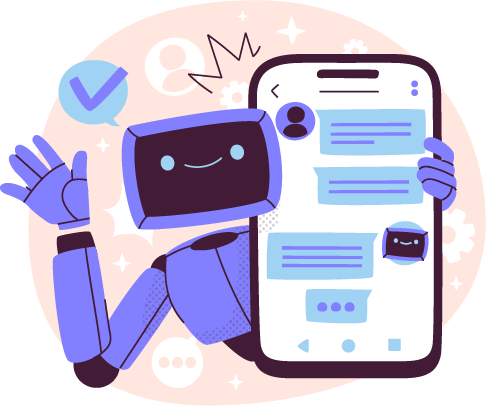
We develop AI-powered intelligent solutions that allow companies to provide automated support and customer service 24/7.
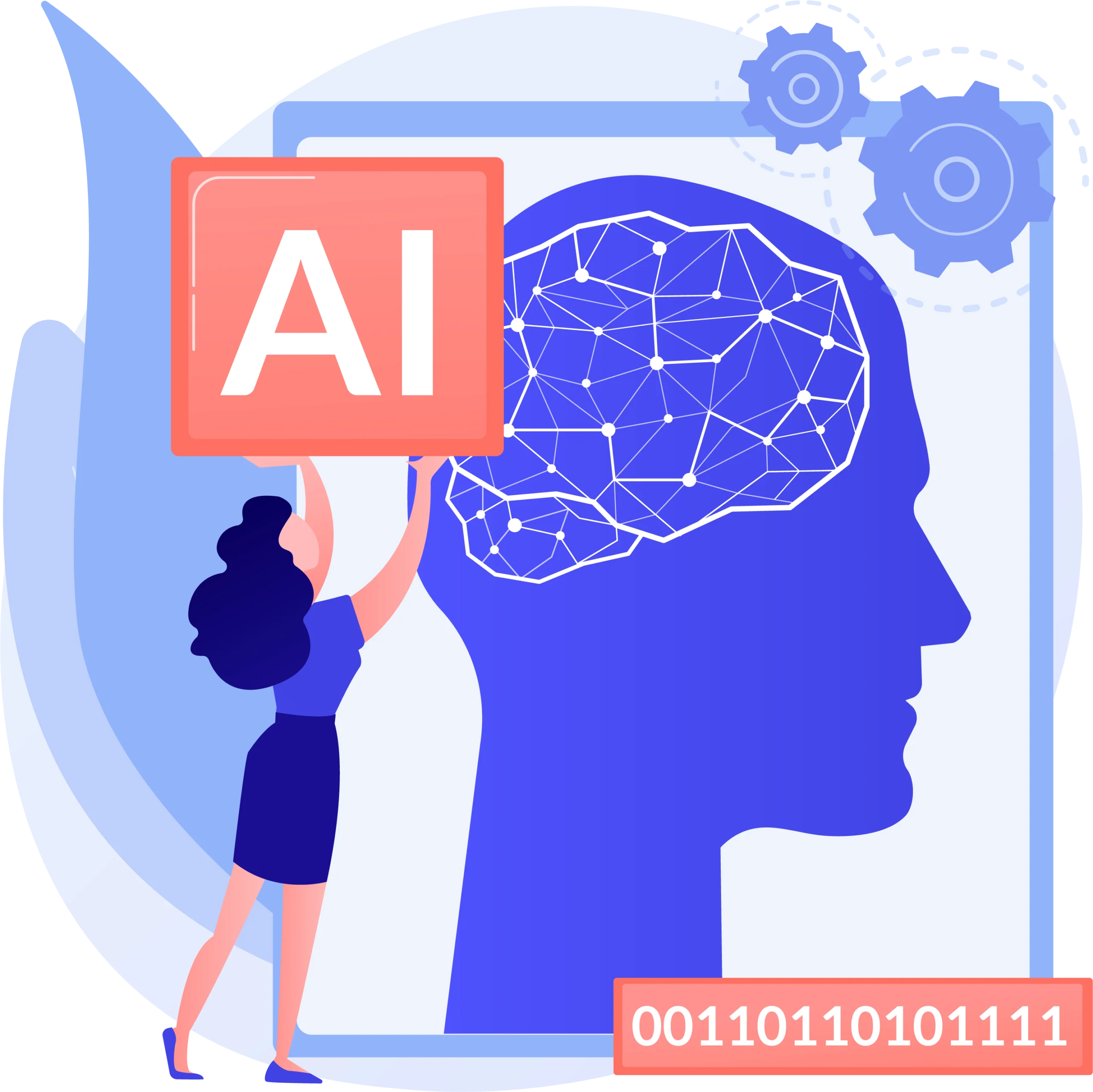
We develop customized ML models that help businesses anticipate change, optimize processes, and uncover opportunities within their data.
(Más Información)
Overcoming technological barriers means creating tangible change. Each initiative is based on defined business goals and the power of AI to optimise processes and results.
(Más Información)
Technological innovation is combined with responsibility and pragmatism. Every advance is designed to foster growth, trust and a lasting foundation for success.
(Más Información)
With our AI, clarity is the norm. You will understand how the system operates and the reasons behind each decision, building trust at every stage.
(Más Información)
Ethics is the cornerstone of our AI solutions. We work to minimise bias, protect privacy, and ensure that systems are trustworthy for both your business and users.
Business-focused AI enables the implementation of solutions that automate routine tasks (such as data entry or customer support), provide predictive analytics to anticipate demand or product failure, and support service personalization. This boosts operational efficiency, reduces costs, and enhances customer experience. With models like LLMs and machine learning systems, companies can transform their data into a competitive advantage and drive technological innovation.
When incorporating AI solutions into their operations, companies encounter several challenges: ensuring data quality and governance, clearly defining the strategy behind predictive models, training technical teams (or hiring AI developers), and managing the organizational change required for intelligent automation. In addition, they must ensure ethical and regulatory compliance and avoid focusing solely on technology without achieving measurable business value.
Companies often deploy AI virtual assistants (chatbots and voice systems), business automation for repetitive processes, predictive analytics platforms to optimize inventory or maintenance, and personalized recommendation systems. In many cases, these tools are part of a broader enterprise or cross-platform application strategy designed to deliver value both to customers and internal operations.
Yes, but through a gradual approach. SMEs looking to adopt AI should begin by identifying use cases that bring clear value, such as customer service automation or data analytics for marketing, and then evaluate whether they need customized applications or standardized solutions. Cross-platform development and the use of open-source libraries reduce barriers to entry. The essentials include a data-driven culture, basic technological infrastructure, and a monetization or cost-saving model that justifies the investment.
The first step is to define which business problem AI will solve: improving customer service, optimizing logistics, personalizing offers, etc. Next, the company should evaluate whether sufficient data exists, whether AI consultants should be hired or development done internally, and decide whether implementation will occur through enterprise applications, mobile solutions, or integration into existing processes. Setting success metrics and a clear roadmap is key to ensuring that AI delivers real ROI and aligns with overall business strategy.